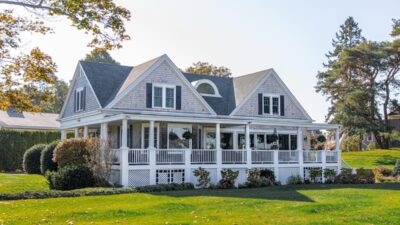
Home Insurance for Older Homes: Special Considerations and Challenges

Older homes present unique insurance challenges that newer properties do not face. Historic construction methods, outdated electrical and plumbing systems, and building code changes since original construction all affect insurance availability and pricing. Homeowners of older properties often struggle to find affordable coverage and may face requirements or restrictions that newer home owners never encounter.
Understanding why insurers view older homes differently helps you navigate the market more effectively. Addressing insurer concerns proactively can improve your options and reduce premiums. Older homes require more attention to insurance than simply accepting whatever quote arrives first.
Why Insurers View Older Homes as Higher Risk
Older electrical systems present fire hazards that modern wiring does not. Knob and tube wiring, aluminum wiring, and outdated electrical panels increase fire risk significantly. Many insurers refuse to cover homes with certain electrical system types until upgrades are completed.
Older plumbing systems are more likely to fail and cause water damage. Galvanized steel pipes corrode over time, polybutylene pipes are prone to sudden failure, and older plumbing designs may not withstand modern water pressure. Water damage claims from plumbing failures are common with older homes.
Roofing materials have limited lifespans that older homes may have exceeded. Roofs over 20 years old are nearing or past expected service life for most materials. The likelihood of roof failure during storms increases with age, raising insurer concerns.
Building code differences mean older homes do not meet current standards. Rebuilding after major damage requires bringing homes up to current codes. This increases rebuild costs beyond what simple replacement would require. Code compliance costs can be substantial for homes built decades ago.
Historic construction methods may be difficult or expensive to replicate. Plaster walls, original hardwood, unique architectural details, and craftsmanship no longer commonly practiced increase restoration costs. Replacing mass-produced modern materials is cheaper than replicating historic construction.
Common Insurance Requirements for Older Homes
Electrical inspections or upgrades may be required before coverage is available. Insurers may require certification that electrical systems are safe or demand specific upgrades like panel replacement or wiring updates. Meeting these requirements enables coverage that would otherwise be denied.
Plumbing inspections may be required for homes with older pipe materials. Galvanized or polybutylene plumbing may need replacement before coverage becomes available. Even if not required, proactive replacement may improve coverage options and pricing.
Roof inspections document condition and remaining useful life. Insurers want to understand roof condition before committing to coverage. Recent inspections showing good condition support coverage at reasonable rates.
Four-point inspections examining roof, electrical, plumbing, and HVAC are commonly required for homes over certain ages, often 25 or 30 years. These inspections identify major system concerns that affect coverage decisions.
Finding Coverage for Older Homes
Specialized insurers serve the older home market when standard insurers decline coverage. Companies focusing on older, historic, or unique properties understand these risks differently than mainstream insurers. Seeking out these specialists often produces better results.
Independent insurance agents can access multiple markets including specialty insurers. Agents with experience insuring older homes know which companies accept these risks and how to present applications favorably. Working with experienced agents often produces better outcomes than direct consumer shopping.
State FAIR plans provide coverage of last resort when private insurers will not cover your home. FAIR plan coverage is basic and often expensive, but it ensures coverage availability when nothing else is available. FAIR plans exist specifically to cover properties the private market will not.
Making improvements before shopping improves your options. Updating electrical systems, replacing old plumbing, installing new roofing, and other improvements reduce risk and improve insurability. Investment in improvements may pay for itself through better coverage availability and lower premiums.
Coverage Considerations for Older Homes
Replacement cost versus actual cash value matters more for older homes. Actual cash value coverage on a 75-year-old home pays depreciated values that may be inadequate for rebuilding with appropriate materials and techniques. Replacement cost coverage is essential for older homes.
Ordinance or law coverage addresses code upgrade costs during rebuilding. When older homes are significantly damaged, rebuilding must meet current codes. This coverage pays the additional costs of code compliance beyond simply replacing what existed. Without this coverage, you pay code upgrade costs yourself.
Guaranteed or extended replacement cost provides crucial protection against underinsurance. Construction costs for older homes can exceed estimates significantly due to historic replication requirements and code compliance. These coverage forms protect against cost overruns.
Scheduled coverage for historic or custom features documents and protects unique elements. Original stained glass, hand-carved details, historic fixtures, and similar features deserve specific coverage attention. Scheduling these items ensures appropriate protection and claim handling.
Reducing Premiums on Older Homes
System upgrades reducing risk also reduce premiums. New electrical systems, modern plumbing, updated HVAC, and new roofs all improve your risk profile. Insurers offer lower rates for homes with updated systems.
Security systems and fire protection earn discounts. Monitored burglar alarms, fire alarms, and sprinkler systems reduce risk and earn premium credits. These improvements make sense for any home but particularly help offset older home premium loads.
Higher deductibles reduce premiums significantly. If you can afford larger out-of-pocket exposure, higher deductibles produce substantial premium savings. This trade-off makes sense for homeowners with adequate emergency savings.
Bundling with auto and other policies earns multi-policy discounts. Combined with other savings strategies, bundling helps bring older home premiums closer to newer home levels.
Historic Home Considerations
Historic homes have unique requirements beyond simply being old. Homes on historic registers, in historic districts, or with historic designations may face restrictions on modifications and specific rebuilding requirements. Insurance must account for these constraints.
Historic replacement requirements may mandate using specific materials and methods during repairs. Modern substitutes acceptable for typical older homes may be prohibited for designated historic properties. Coverage should reflect these requirements.
Specialty historic home insurers understand these unique situations. Companies focusing specifically on historic properties provide coverage designed for designated historic homes. Mainstream insurers may not adequately address historic property needs.
Documentation of historic features supports appropriate coverage and claims. Detailed inventories with photographs document historic elements that may be difficult to describe after damage. This documentation ensures proper restoration and claim handling.
Working With Inspectors and Contractors
Pre-insurance inspections identify issues to address before applying for coverage. Knowing what inspectors will find helps you address problems proactively. Fixing issues before insurers see them improves your application.
Qualified contractors who understand older home systems produce better results. Electricians experienced with older wiring, plumbers familiar with historic systems, and contractors who work with older homes provide appropriate service. General contractors without older home experience may miss important considerations.
Documentation of repairs and improvements supports insurance applications. Providing evidence of system upgrades helps insurers understand current conditions rather than assuming outdated original systems. Detailed documentation improves coverage options.
Ongoing maintenance prevents problems that affect insurability. Keeping older homes well-maintained demonstrates responsibility and reduces risk. Regular maintenance is essential for older homes seeking continued coverage at reasonable rates.